 Welcome to Single Games Arena
Welcome to Single Games Arena
Welcome to Single Games Arena
Guess the Flags: Do You Know the World? Prove It Now!


Think you know the world? Guess the Flags will put your visual memory and global geography knowledge to the test. In this game, you must identify the country each flag belongs to as it appears on the screen — a task only true lovers of travel and culture can master! It's a challenge of speed and accuracy where every correct answer brings you closer to victory.
The game is straightforward: you're shown the image of a flag, and you must identify which country it belongs to from several options. For every correct answer, you earn points. If you get one wrong, your score stops, but you'll be given a new chance to learn and improve.
The goal is to achieve the highest score possible by correctly identifying all the flags in the version you selected. On Single Games Arena, your best score is saved, encouraging you to improve your world knowledge with each game.
In this game, the difficulty lies in your knowledge and reaction speed. Challenge your friends by creating competitions to see who can correctly identify the greatest number of flags from around the world.
| Rank | Date | User | Time |
|---|---|---|---|
| 01/02/2026 | EQL | 6m:06s | |
| 01/02/2026 | EQL | 6m:16s | |
| 18/10/2025 | EB | 6m:24s | |
| 31/01/2026 | EQL | 6m:25s | |
| 22/10/2025 | EB | 6m:28s |
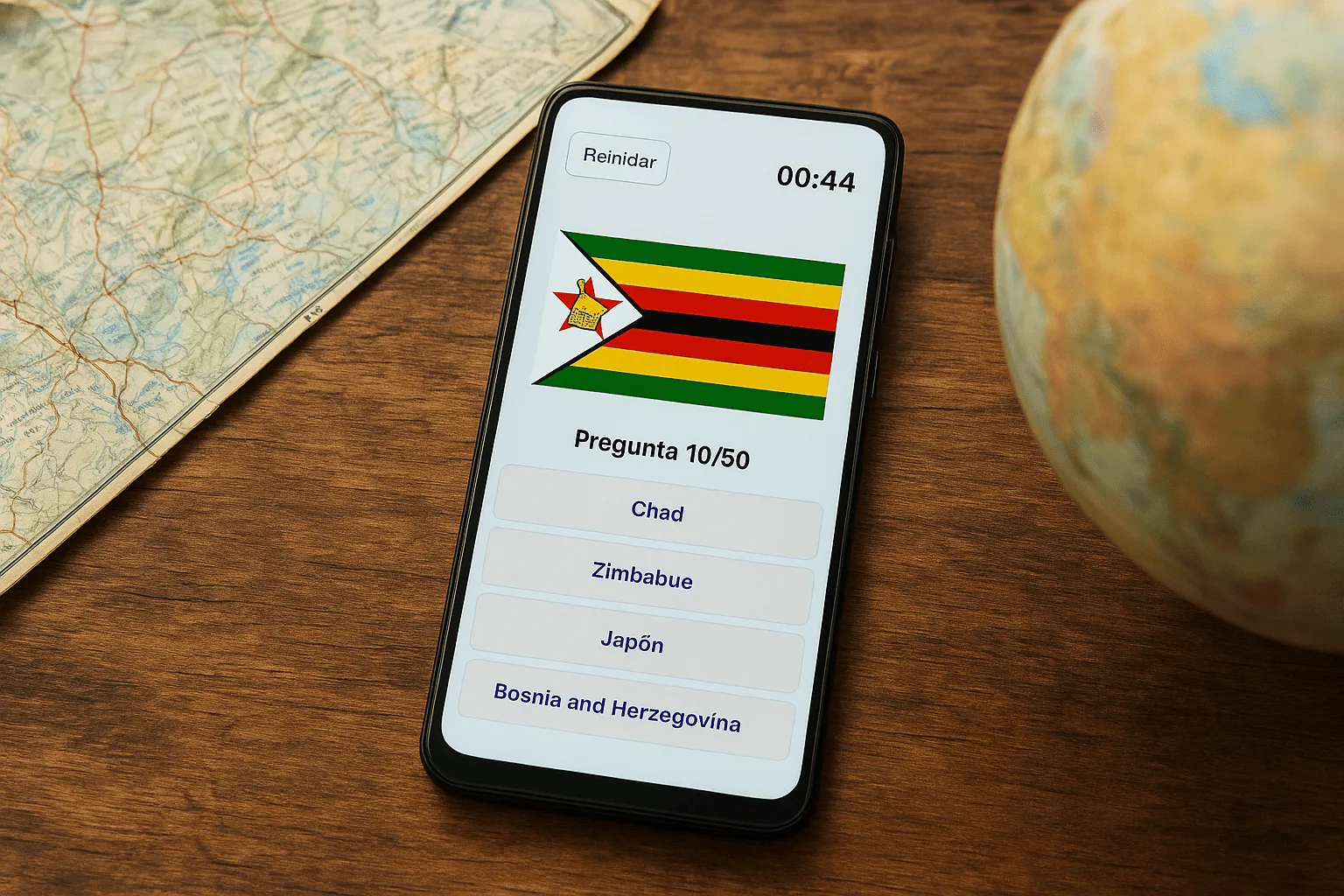
To match your knowledge level and the time you have available, Single Games Arena offers two game modes:
In the Single Games Arena flags game, speed is important, but the precision is vital. Each mistake adds a 30-second penalty to your clock, which can ruin a great personal best in an instant.
The game always presents you with four possible options. If you are not sure of the answer, do not risk guessing randomly. Use elimination: first remove the two options you know for certain do not correspond to that region or style. By narrowing the field to two possibilities, your success rate rises to 50%, minimizing the risk of receiving that costly time penalty.
Remember: taking an extra 2 or 3 seconds to ensure a correct answer is always more profitable than failing and losing 30 seconds all at once.
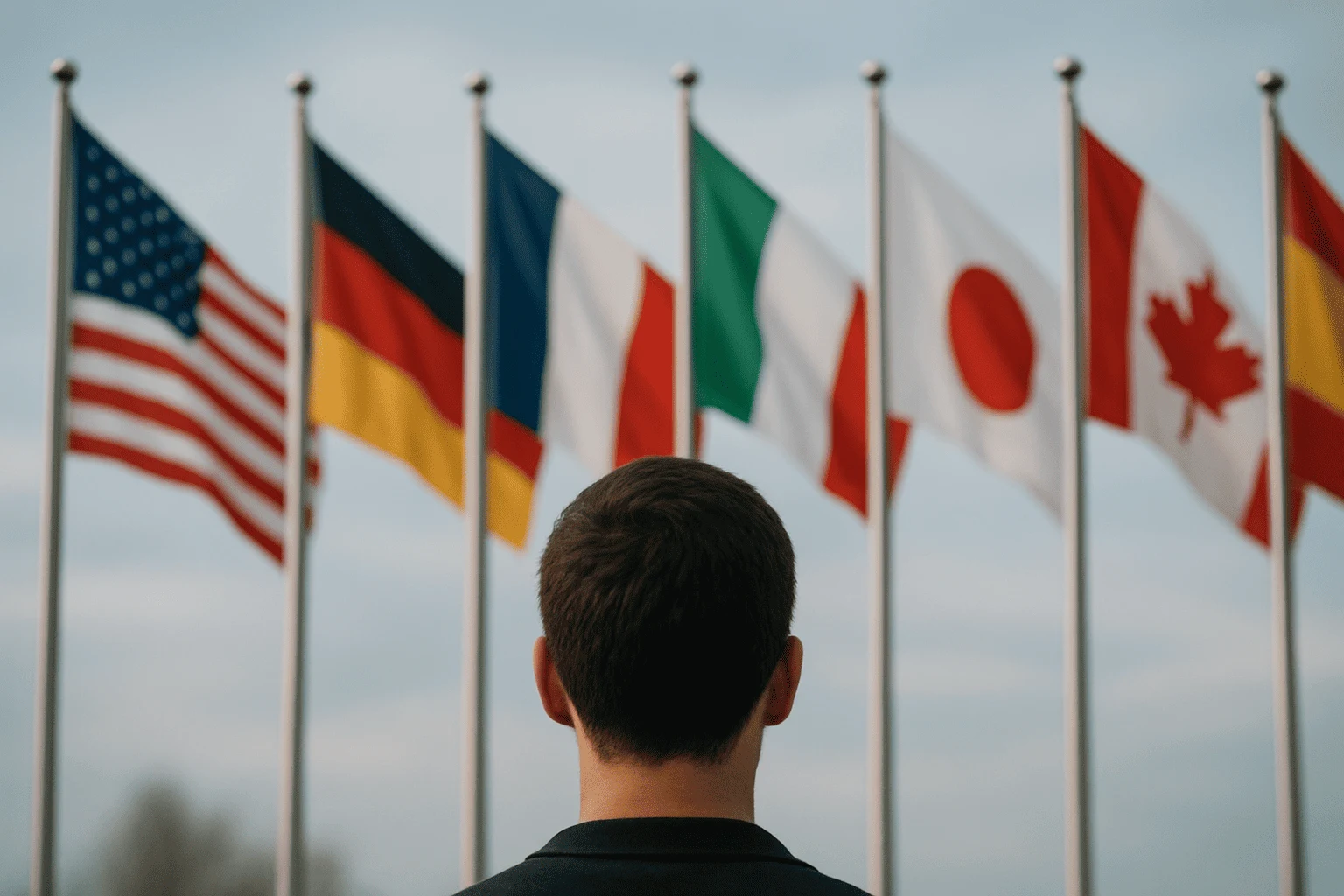
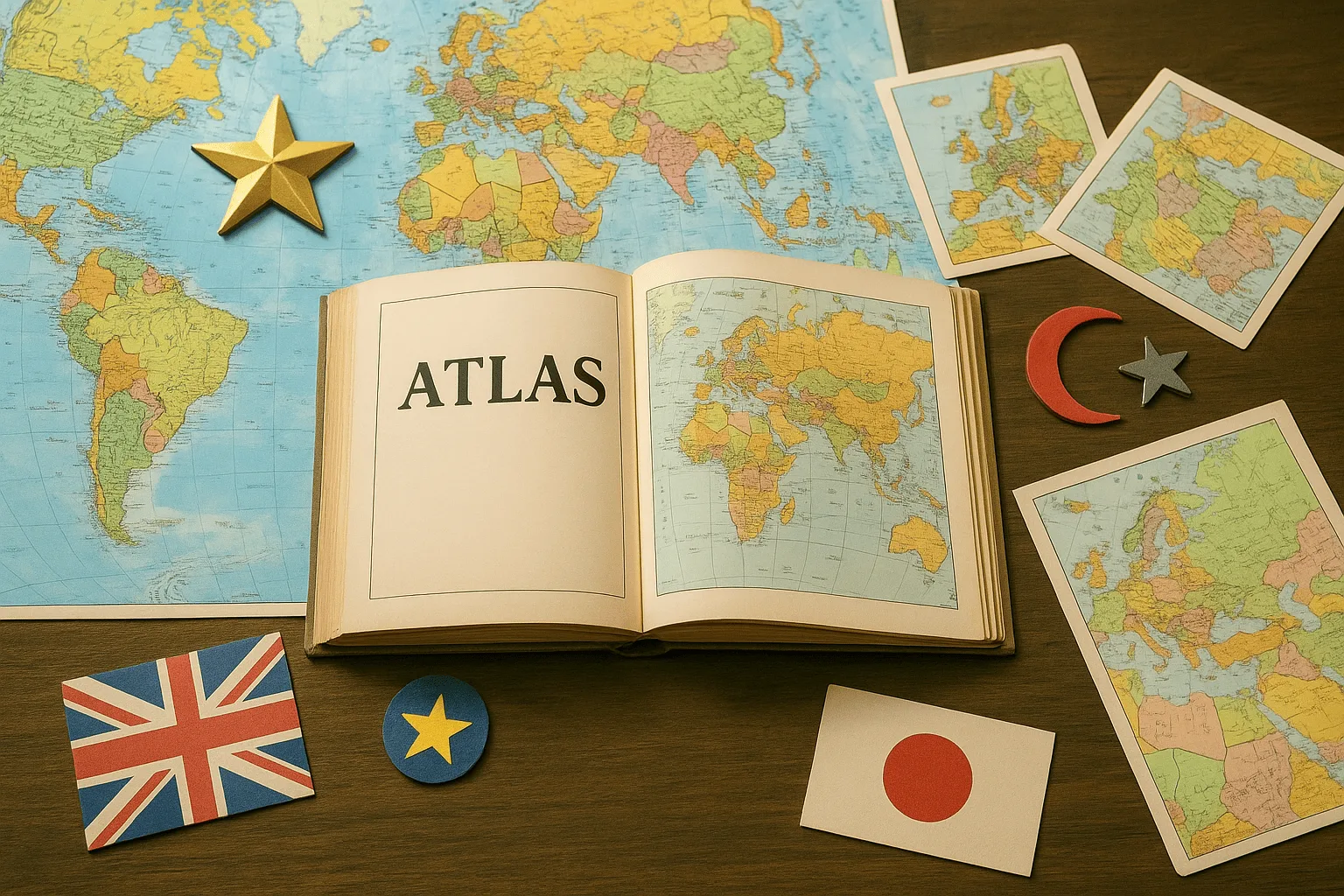
To be the fastest in the long version of 150 flags, you need to train your brain to identify unique patterns and symbols almost instinctively.
Learning to look for the Union Jack in the upper canton will allow you to quickly identify countries with British heritage like Australia, New Zealand, or Fiji. Similarly, look for elements that are not repeated in any other flag: the sun of Kyrgyzstan, the characteristic eagle of Zambia, or the crossed keys of the Vatican.
If the flag has Pan-African colors (red, yellow, green) or the classic European tricolor style, limit your mental search to those areas. Identifying the flag's "style" before reading the options will give you a competitive advantage of crucial seconds against the clock.
Moving from the short to the long version requires not only geographical knowledge but also mental stamina and error analysis.
If you are starting, first master the short version of 50 flags. It is the ideal training ground for memorizing the most common flags and gaining confidence. Once your times are competitive here, you will be ready for the 150 challenge without visual fatigue causing you to make silly mistakes at the end of the run.
Do not close the app right after finishing. Take a moment to review the flags you failed. Memorizing that specific error is the fastest way to ensure that, in the next game, those 30 penalty seconds turn into an instant correct answer.